A poetry studio for beating the big imposter syndrome.
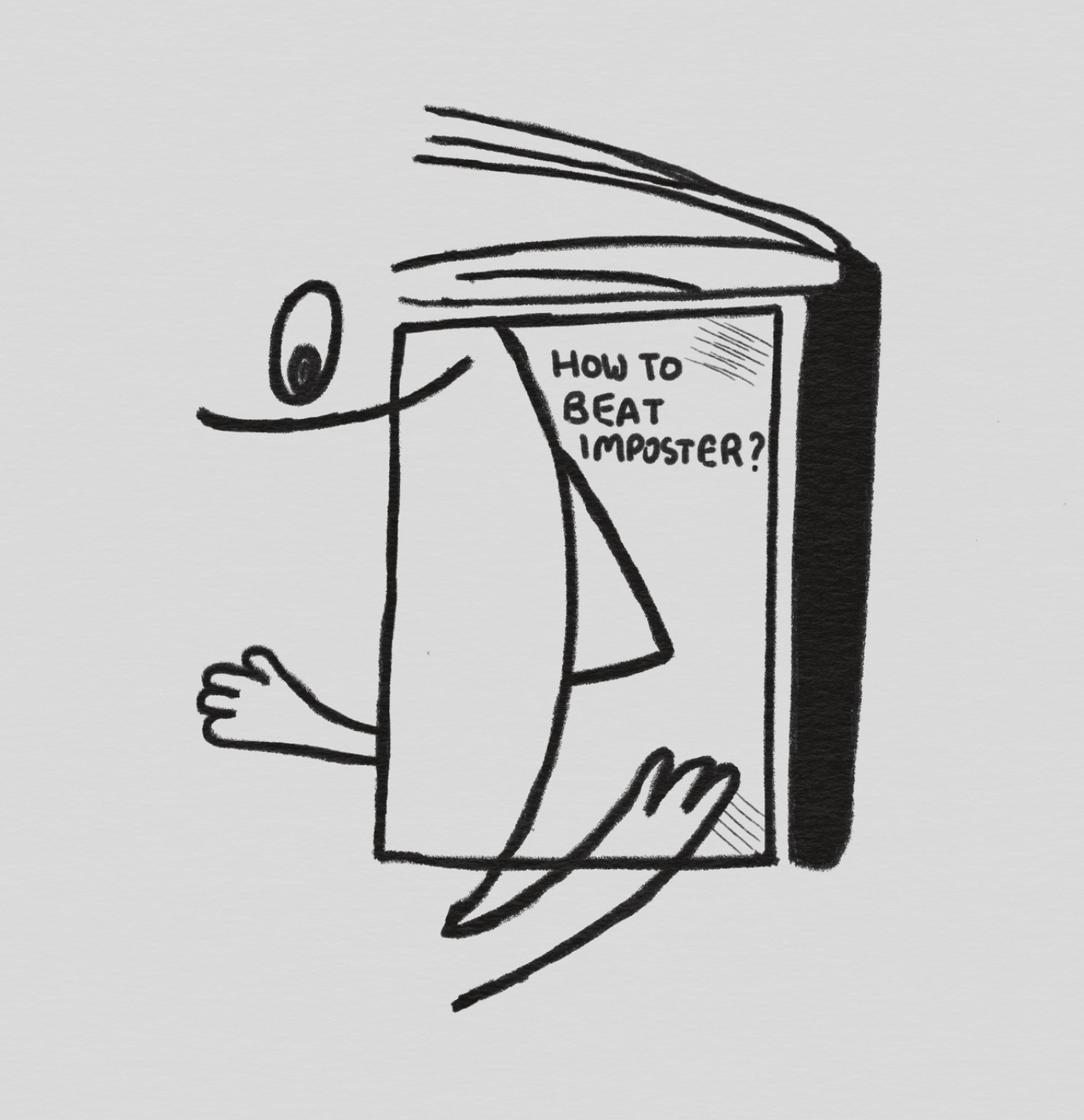


Imposter Tool
SELF-DOUBT WHISPER:
"I was just lucky. It wasn't actually my talent or hard work."
INNER HARMONY: 0%
CRITIC'S VOLUME: 100%
Pick one of the activities below to respond to this thought. Writing just a few words can help quiet self-doubt and build your Inner Harmony.
Strength & Truth
"Pick two phrases: one that gives you strength, and one that reminds you what's true."
Rhyming Couplet
"Write two short lines that rhyme. We'll suggest words if you get stuck."
Calming Haiku
"Write a simple 3-line poem (5-7-5 syllables) to settle a busy mind."
Strength Metaphor
"Pick a few words to describe your worry, your true self, and what happens next."
Beating big imposter syndrome through poetry.
Don't let imposter syndrome silence your creative voice. If in doubt, write the first verse, because creative expression kills doubt.
Poetry externalizes the critical voices in your head, transforming abstract fears into structured, beautiful words you can explore and control.
Poetry externalizes the critical voices in your head, transforming abstract fears into structured, beautiful words you can explore and control.
Big Imposter is a creative exploration demonstrating how poetry and expressive writing help dismantle feelings of fraudulence.
A lack of confidence breeds self-doubt. Poetry invites curiosity, allowing you to re-author your story and shrink your imposter.
A lack of confidence breeds self-doubt. Poetry invites curiosity, allowing you to re-author your story and shrink your imposter.